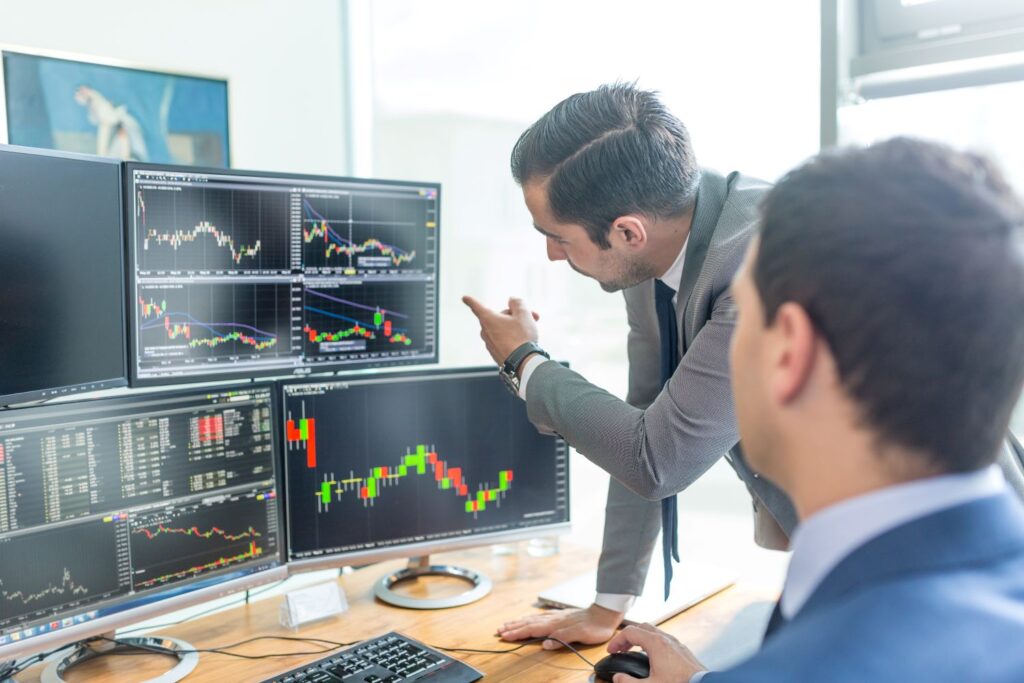
Forex trading has rapidly gained popularity in Ghana, attracting individuals eager to explore the global financial markets. With the rise of internet access and advanced trading platforms, more Ghanaians are discovering the potential of currency trading as a way to diversify income streams or build wealth. This growing interest reflects a shift towards embracing digital opportunities in a fast-evolving economy.
Despite its appeal, trading Forex comes with its own set of challenges and risks. Many beginners are drawn in by the promise of quick profits but often overlook the importance of proper education and strategy. Understanding the unique aspects of trading in Ghana, from regulatory frameworks to local market trends, is crucial for anyone looking to succeed in this dynamic field.
What Is Forex Trading?
Forex trading involves exchanging one currency for another at agreed market prices. The goal is to profit from fluctuations in exchange rates driven by global economic forces.
Understanding The Basics Of Forex
Forex, short for foreign exchange, is the world’s largest financial market. It operates 24 hours a day during weekdays and serves as a decentralised platform for currency transactions. Participants include central banks, financial institutions, corporations, and retail traders.
Forex trading pairs two currencies, known as a currency pair. Major pairs like EUR/USD or USD/GBP see higher trading volume, while exotic pairs include one major and one emerging-market currency, such as USD/GHS (US Dollar/Ghanaian Cedi). Exchange rates constantly change due to demand, supply, and economic indicators like GDP growth rates, inflation, and unemployment data.
How Forex Trading Works Worldwide
Forex operates on a global network of banks, brokers, and traders. Unlike centralized exchanges, Forex uses over-the-counter (OTC) trading, where transactions occur electronically. Trades are executed using trading platforms connected to this network.
Currencies are bought and sold in three primary formats: the spot market (instant transactions), the forward market (future contracts at fixed rates and dates), and the futures market (standardised contracts traded on exchanges). The spot market accounts for the highest volume due to its immediate nature.
Globally, the Forex market’s daily turnover exceeded $7.5 trillion in 2022, according to reports by the Bank for International Settlements. Major trading hubs include London, New York, Tokyo, and Hong Kong. Global financial events, such as interest rate decisions by the US Federal Reserve, regularly impact trading dynamics, influencing both global major currencies and local markets like Ghana.
Overview Of Forex Trading In Ghana
Forex trading has gained significant momentum in Ghana, supported by technological advancements and increased awareness. The local market continues to evolve as traders capitalise on emerging opportunities while navigating unique challenges.
Popularity And Growth Of Forex Trading In Ghana
Forex trading’s popularity in Ghana has surged in recent years, driven by improved internet access and smartphone penetration. DataReportal indicated Ghana’s internet penetration rate reached 68% in January 2023, enabling more individuals to engage in online trading platforms like MetaTrader 4 and 5. Social media and online communities have also contributed to raising awareness among young professionals and university students seeking alternative income streams.
Remittance fluctuations and increasing interest in foreign currency holdings have further propelled Forex investments. Many traders focus on major currency pairs (e.g., GBP/USD) or exotic pairs like USD/GHS, which reflect the local market dynamics. Online learning resources and training workshops offered by experienced players in the market have also supported the growth of retail Forex trading.
Legal And Regulatory Environment
The regulatory environment for Forex trading in Ghana is monitored by the Bank of Ghana (BoG). The Foreign Exchange Act, 2006 (Act 723), governs foreign exchange transactions, ensuring compliance with the nation’s monetary policies. Licensed Forex bureaus play a crucial role in facilitating physical currency exchanges, while online trading activities are lightly regulated, given the decentralised nature of global Forex markets.
Individuals or entities engaging in Forex trading with international brokers must verify if brokers comply with global standards, including those set by the Financial Conduct Authority (FCA) and the Cyprus Securities and Exchange Commission (CySEC). Local traders in Ghana also face challenges related to fraud, prompting many to prioritise brokers with robust data security measures and transparent fee structures. Establishing localised policies remains a critical focus for curbing illicit Forex activities and enhancing trader confidence in the regulatory framework.
How To Start Trading Forex In Ghana
Starting Forex trading in Ghana involves selecting a broker, preparing a trading account, and understanding the risks and rewards. Following the correct steps ensures a smoother entry into the Forex market.
Choosing A Reliable Forex Broker
Selecting a reputable Forex broker is critical for successful trading. Brokers should hold licences from recognised global regulators such as the Financial Conduct Authority (FCA) or the Australian Securities and Investments Commission (ASIC). While the Bank of Ghana regulates currency operations locally, international brokers often provide the platforms used for online trading. Evaluate brokers based on trading fees, platform usability, customer support, and withdrawal processes. Look for transparency, especially concerning spreads and deposit requirements.
Setting Up Your Trading Account
Once a broker is chosen, creating a trading account is the next step. Brokers typically require personal identification, proof of address, and occasionally financial questionnaires to verify compliance with Anti-Money Laundering (AML) regulations and Know Your Customer (KYC) standards. After verification, fund the account using supported payment methods, such as bank transfers or electronic wallets. Opt for demo accounts initially to practise strategies and become familiar with trading tools before committing real money.
Understanding Risks And Rewards
Forex trading carries inherent risks, including currency fluctuations and leverage-related losses. Mastercard’s 2023 report highlighted that even with advanced tools, over 75% of retail traders experience initial losses due to over-leveraging or insufficient market research. Balancing potential rewards against these risks is essential. Risk management tools, such as stop-loss orders and position sizing, help mitigate losses. Educating oneself about global market influences, including interest rates, geopolitical events, and economic reports, enhances decision-making and long-term profitability.
Challenges Facing Forex Traders In Ghana
Forex traders in Ghana encounter multiple obstacles that can hinder their trading experience and profitability. Understanding these challenges is crucial for navigating the local Forex market effectively.
Regulatory And Taxation Issues
Regulatory challenges impact Forex trading in Ghana due to limited oversight and enforcement in the online trading space. The Bank of Ghana monitors financial activities under the Foreign Exchange Act, 2006 (Act 723), but online Forex trading remains mostly unregulated. Traders risk engaging with unlicensed brokers or platforms that operate outside legal frameworks, increasing their exposure to fraud.
Taxation complexities further complicate trading, as clear guidelines on tax obligations for Forex traders are lacking. This creates uncertainty about how profits from trading should be reported and taxed, leading to potential non-compliance risks. Addressing these gaps requires collaboration between regulatory bodies and stakeholders to establish transparent policies.
Limited Access To Advanced Trading Tools
Accessing advanced trading tools in Ghana is restricted by high costs and limited technological infrastructure. Many traders cannot afford premium software, expert advisors, or comprehensive trading indicators, which restrict their ability to analyse markets effectively. Free tools often lack the sophistication required for in-depth market assessment.
Slow internet speeds and inconsistent connectivity also hinder traders, particularly in regions with underdeveloped digital infrastructure. Without reliable access to advanced tools and stable internet, traders may miss opportunities or fail to respond promptly to market changes, reducing their overall efficiency and potential profitability.
Tips For Successful Forex Trading In Ghana
Achieving success in Forex trading in Ghana requires a combination of knowledge, strategic planning, and disciplined execution. Traders benefit from focusing on education, risk management, and tailored trading strategies.
Staying Informed And Educated
Acquiring reliable Forex knowledge is key to making informed trading decisions. Traders should regularly follow global economic news, such as interest rate changes and geopolitical events, as these directly impact currency values. Utilising credible resources like financial news platforms and verified online courses enhances trading competence. Engaging in demo trading accounts provides practical exposure without risking real capital.
Managing Risks Effectively
Implementing risk management tools helps limit potential losses. Setting stop-loss orders ensures trades automatically close when losses exceed predefined limits. Limiting trade sizes based on capital size prevents over-leveraging, while a risk-reward ratio of 1:2 or higher optimises long-term profitability. Diversifying trades across multiple currency pairs reduces exposure to single-market volatility.
Choosing The Right Trading Strategy
Developing a well-defined trading strategy enhances consistency. Scalping, focusing on short-term positions, suits traders seeking rapid returns, while swing trading benefits those targeting medium-term price fluctuations. Traders using trend-following strategies monitor market momentum, while day traders close all positions by the end of the trading day to minimise overnight risk. Selecting a strategy aligned with individual goals and resources ensures sustainability in Forex trading.
Conclusion
Forex trading in Ghana presents a promising avenue for financial growth, offering opportunities for income diversification and wealth creation. With increasing internet accessibility and technological advancements, more individuals are exploring this dynamic market. However, success requires a solid understanding of the risks, regulatory landscape, and effective trading strategies.
By prioritising education, choosing reliable brokers, and implementing robust risk management practices, traders can navigate the challenges and enhance their prospects. Staying informed about global market trends and leveraging credible resources will also play a crucial role in achieving sustainable success in Forex trading.